The installation of the International Docking Adapters (IDAs) on the International Space Station (ISS) is one of the most significant moments in commercial space transport. This is NASA’s metaphorical gateway into a future in which it’s crew goes to the ISS on America’s own space vehicles, unlike aboard Russian vehicles as they did till this point. The International Docking Adapter has a mass of 526 kg, and is 110 cm tall and 160 cm wide.
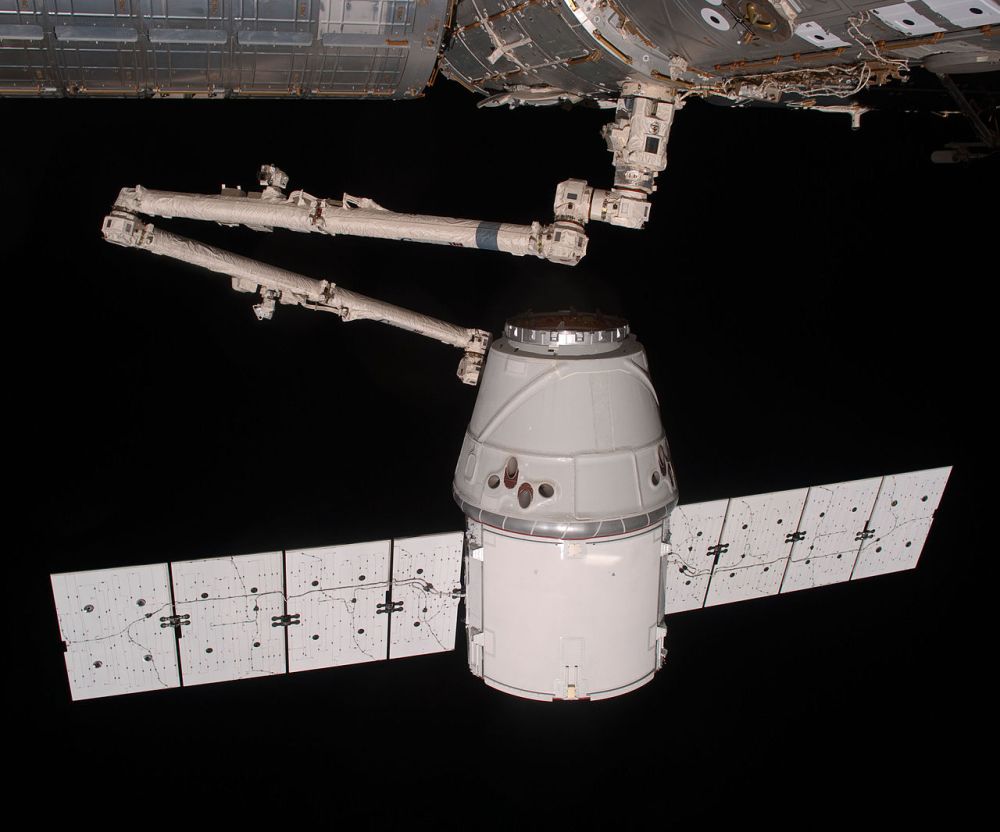
The two major companies that are working towards this program are Boeing and Elon Musk’s SpaceX. SpaceX is working on its vehicle – a modified version of its Dragon Cargo Capsule – the Crew Dragon. Boeing, similarly have a vehicle of their own, called the CST-100 Starliner, which is under construction and costs about $4.2 billion. The SpaceX’s Dragon Shuttle – CRS9 – attached the IDA2 successfully to the ISS on August 19, 2016, after the launch failure of it’s first mission SpaceX CRS-7, 139 seconds into take-off. The astronauts that installed the IDA-2 were Jeff Williams and Kathleen Rubins. It was attached to the Pressurized Mating Adapter – 2 (PMA-2).
The IDAs are built to the International Docking Systems Standard (IDSS), as a result of which, any and all incoming private shuttle can dock automatically with the ISS. Before the installation, the spacecrafts didn’t dock to the ISS, they berth. The docking ports had robotic arms/appendages that grabbed the spacecraft and brought it in the close proximity to the ports. This takes up a lot of time of the astronauts. Now, the station crew does not have to be involved in the docking process at all. It has onboard senors that guide the incoming spacecraft to the port. The port itself has twelve hooks that holds up the craft.
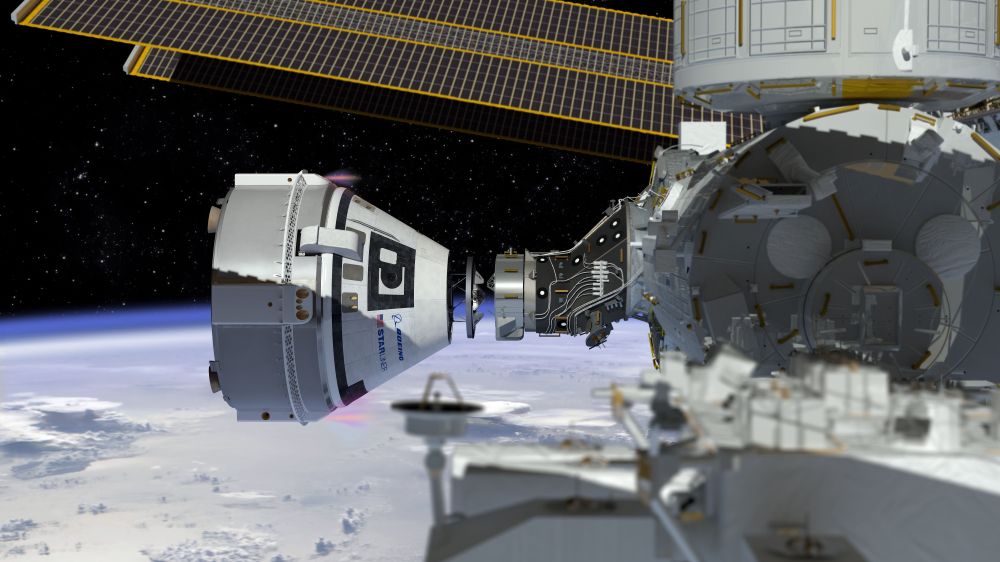
The first commercial space launch is scheduled in 2017, however, chances are, by then, only one IDA will be available on the ISS. NASA had hoped for two by this point, but the hopes burned down with the SpaceX CRS-7, that carried the IDA-1. An IDA-3 has been planned and is in development, and NASA plans on sending it before the first commercial spacecraft hits the skies, but chances of that happening are still low. The flight SpaceX CRS-14 that will carry the IDA-3 is scheduled to fly in early 2018. Nonetheless, a minimum of two IDAs will be required when commercial space transport gets popular.
Till date, there have been only three entities that have docked human vehicles in space – USA, Russia and China. NASA hopes that the installation of IDAs and putting forth the IDSS will increase the participation of private and national entities.


Nice content neil :)
keep going
LikeLike